
Same Shoes, Different Journeys: Kevin P. Henry on Inherited Silence, Representation, and Why People Are Never Fixed
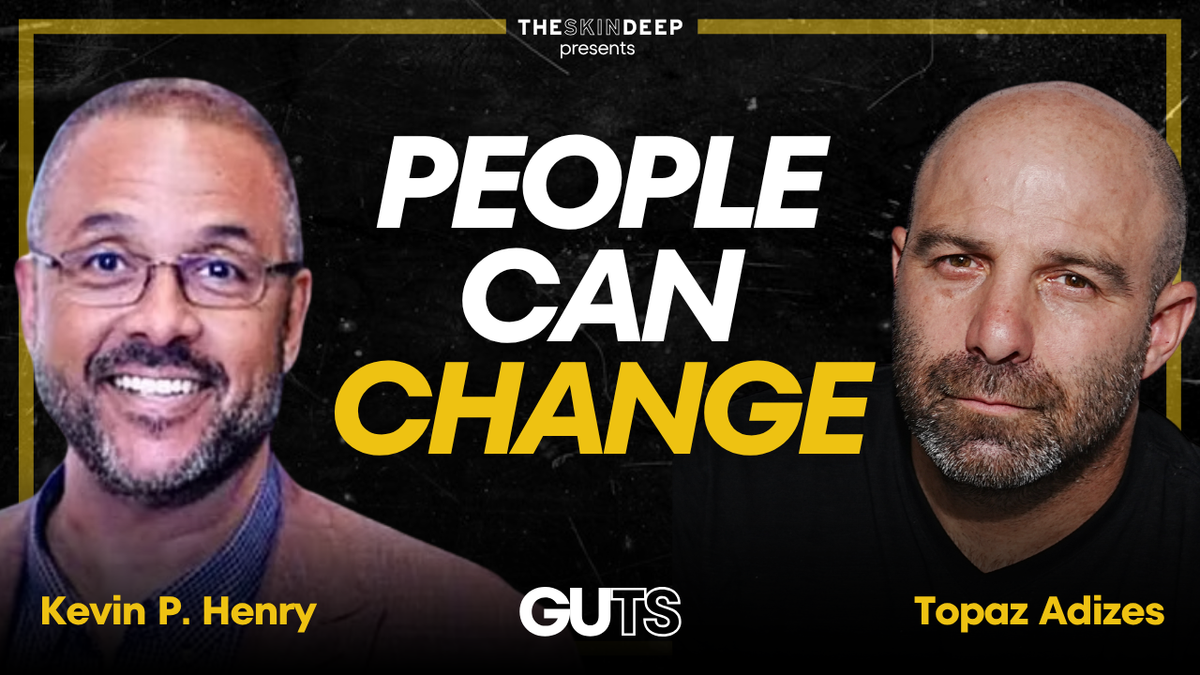
Kevin P. Henry has a photograph he grew up with that nobody ever explained. Two kids, Annette and Keith, half siblings he never really knew, smiling from his parents’ mantle his entire childhood. Nobody spoke their names. His father mentioned them exactly once, from a hospital bed, dying of cancer: I guess I’m going to go see the kids now. Kevin didn’t learn what actually happened to them until decades later, through his own mother’s deathbed conversations with his wife. What that photograph actually teaches isn’t about the tragedy itself. It’s that grief can sit in plain sight in a house for forty years and reshape the person living underneath it without ever being named.
As the architect of the City of Bellevue’s first diversity initiatives, a Red Cross communications manager during disasters in Honolulu, a recipient of the MLK Medal of Distinguished Service, and now a Behavioral Health Inclusion Specialist and writer finishing his memoir, Kevin keeps circling back to one argument in his own language: people are not fixed, they are worn down or polished by the specific road they walk. He calls it same shoes, different journeys.
That idea didn’t arrive from a textbook. It arrived through a hidden family tragedy, a stretch of his own life he calls the three D’s, a dinner party that turned into something out of a horror movie, and a stage in 1970 that told a twelve year old what was possible. Here is how it stacked.
Annette and Keith’s Fire
Growing up, Kevin had two half siblings, Annette and Keith, from his father’s first marriage, who appeared in photographs on the family mantle and were never once discussed. His father mentioned them only once, near the end: I guess I’m going to go see the kids now. It took another decade, and his mother’s own deathbed conversations with Kevin’s wife Terry, for the real story to surface. Their stepfather had murdered both children and his own wife, then set the fire meant to hide it. They had died before the fire, actually, Kevin says now.
The lesson underneath the silence isn’t really about the murders. It’s that a family can carry a specific grief in plain sight, on a mantle, in a photograph, for forty years, and never once explain it to the child growing up underneath it.
The Triple D Years
Raised in a strict, church going, non-drinking household, Kevin says he spent his college years making up for lost time. He calls the stretch from about eighteen through his early twenties the three D’s, decadence, debauchery, and destruction, smoking, drinking, and partying hard enough that it took him six years to finish a degree that should have taken four.
The overcorrection cost him real time. But it also handed him the first evidence for something he’d build a whole career on: that people are not the fixed thing they were raised to be, they’re the product of whatever specific road they end up walking.
Dinner with the Mannequins
In 1977, at nineteen, Kevin spent two months chasing a waitress at a Sunset Boulevard IHOP, eating pancakes at 1am on repeat just to get her number. When she invited him to meet her family in the San Fernando Valley, he walked into a home that was polite on the surface and hostile underneath. He nicknamed the chapter in his memoir Dinner with the Mannequins. Days later she called to apologize and repeated back what her family had said about him.
The lesson wasn’t really about one bad night. Racism, he learned, rarely announces itself as anything as obvious as a burning cross. Most of the time it stays polite, right up until it’s confronted with something it decides is a threat.
Twenty-Five Years Would Pass
Working the Speakers Bureau at the University of Washington, Kevin had a realization that had nothing to do with crisis. It was one of those kind of jobs where I could wake up and twenty five years had passed and I’m still doing the same, he says. That single, quiet thought, not a breakdown, not a firing, was enough to move him, in 1994, into a brand new job at the City of Bellevue
, building a diversity program from scratch before terms like DEIB existed.
The moment that moves you doesn’t have to be dramatic. Sometimes it’s just quiet enough to hear, which is exactly why most people miss it.
James Earl Jones at Twelve
In 1970, at twelve years old, Kevin watched a young James Earl Jones perform Othello on a stage in Los Angeles. Combined with a childhood where his dentist, his veterinarian, and his elementary school principal were all Black, the moment did something specific. It made a path visible that had never needed to be argued for. I said, I want to do that, Kevin remembers, to see this Black man on stage speaking Shakespeare, you know, blew my mind.
Representation, for him, isn’t an abstract talking point. It’s the exact mechanism by which a twelve year old decides something is possible, which is why decades later he built a career, and now does mentoring work, aimed at making sure other kids get to see it too.
Ray Charles Falls Apart on Stage
As a young music journalist, Kevin once asked his favorite singer, Ray Charles, about his reputation as a demanding perfectionist. Ray admitted it, but told him something else too: even at the height of his career, if a song did not feel right in the moment, he would completely come apart on stage and stop a performance cold to start it over. Kevin, a writer who still catches himself picking apart his own work even when people tell him it is great, recognized himself immediately. It made him think: sometimes you just need to chill and relax and not be so self critical.
If Ray Charles, at the absolute pinnacle of his field, never once fully arrived at good enough, then self doubt was never proof the work wasn’t good. It was just the tax that comes with caring about it.
The GUTS Lesson
Kevin P. Henry’s life reads like one long argument against the idea that people are simply born who they are. He watched it in a photograph nobody would explain, in the six years it took him to survive his own decadence, in a dinner party that turned hostile the moment he became a threat instead of a stranger, and on a stage in 1970 that told a twelve year old something was finally possible.
His own name for it, same shoes, different journeys, isn’t a slogan he picked up somewhere. It’s the specific conclusion of a life spent watching people, including himself, get worn down and polished by the same road in completely different ways.
The question Kevin would ask you: what road have you been walking that’s quietly reshaping who you are, and would you even recognize yourself if someone held up the shoes?
Listen to or watch the full episode on YouTube, Apple Podcasts, or Spotify.
Topaz Adizes is the Founder of The Skin Deep, an experience design studio focused on the transformative power of human connection. He is also the host of the podcast GUTS (Getting Under the Skin) and author of 12 Questions for Love.


Comments ()