
Understanding Completion vs. Resolution; a learning from my GUTS Conversation with Susan Asiyanbi.
In my recent GUTS conversation with Susan Asiyanbi, an executive strategist and founder of the Olori Network, she offered a profound reframing of how we handle life’s unfinished business.
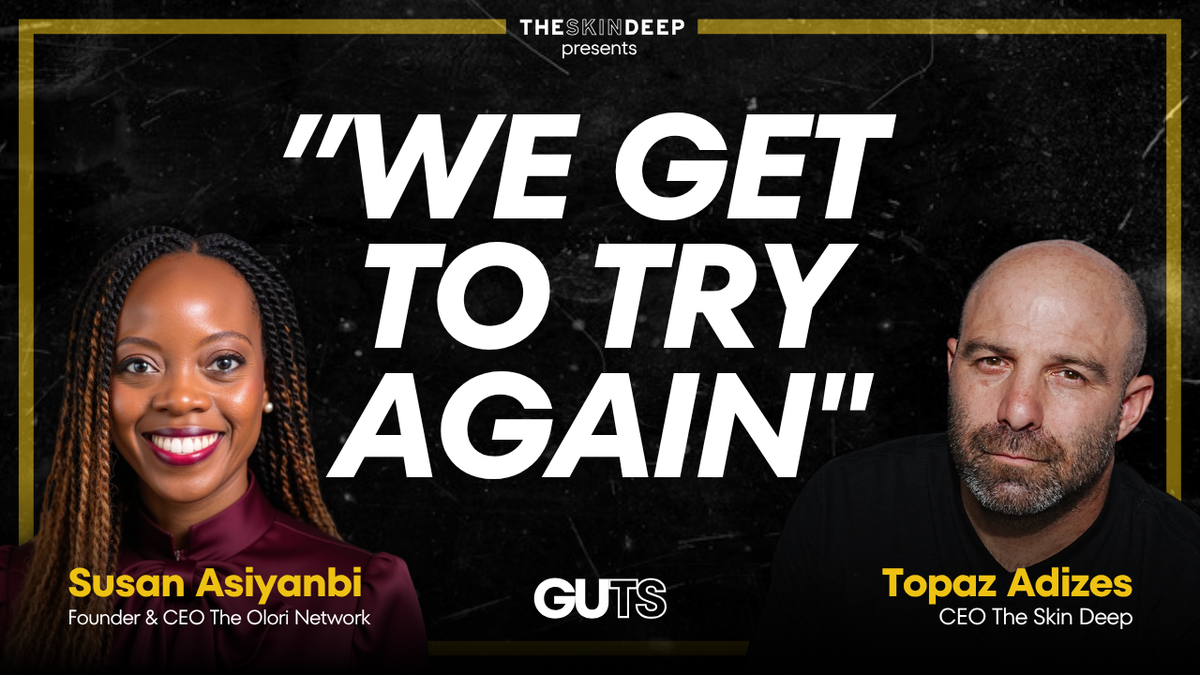
In a world obsessed with "closure," we often feel a frantic pressure to fix every problem, heal every wound, and settle every score. We want a tidy bow on our experiences so we can move on to the next thing. But in my recent GUTS conversation with Susan Asiyanbi, an executive strategist and founder of the Olori Network, she offered a profound reframing of how we handle life’s unfinished business.
Susan introduced a distinction that has been napping in the back of my mind ever since: the difference between being complete and being resolved.
What it Means to be Complete
According to Susan, being complete is a decision of the will. It means you are clear on where you stand and what boundary you have set for yourself. You have finished your "part" of the work or made a final decision about a situation.
However, being complete doesn’t mean the feelings have vanished. You might still feel guilt, shame, or misgivings. The situation may still "nag" at you. In Susan’s view, that nagging isn’t a failure—it’s a signal that there is still work to be done with yourself.
The Nature of Resolution
Resolution, on the other hand, is when you can truly wash your hands of the situation. When you are resolved, you are no longer spiraling or constantly thinking about it. You have legitimately moved on, and your energy is no longer anchored to that past event.
Why the Distinction Matters
We often stay stuck because we think we can’t move forward until we are fully resolved. Susan’s insight suggests that we can choose to be complete about not being resolved.
This creates what Susan calls "spaciousness"—the room to allow your brain and body to simply be without rushing past the moment. By accepting that we are "perfectly imperfect," we give ourselves the grace to try again tomorrow.
As Susan noted during our talk, "The work's not done... it just means my work with myself on this is not over". This shift moves us away from an individualistic struggle for perfection and toward a deeper, communal pursuit of learning.
The GUTS Reflection:
Is there a relationship or a situation in your life where you are trying to force a resolution that isn't ready to come? What would change if you decided to simply be complete with where you are today and allow the resolution to arrive when it’s ready?
Watch the full GUTS conversation with Susan:
YouTube: https://youtu.be/hEKHwXQkDLc
Apple Podcasts: https://podcasts.apple.com/us/podcast/what-to-do-with-what-you-have-with-susan-asiyanbi/id1821276933?i=1000758236408
Spotify: https://open.spotify.com/episode/1YihoZVRBt7LgAJlRDtANJ?si=80591400b22a4ea5



Comments ()